Baby Bug: A Whimsical Font for Creative Design
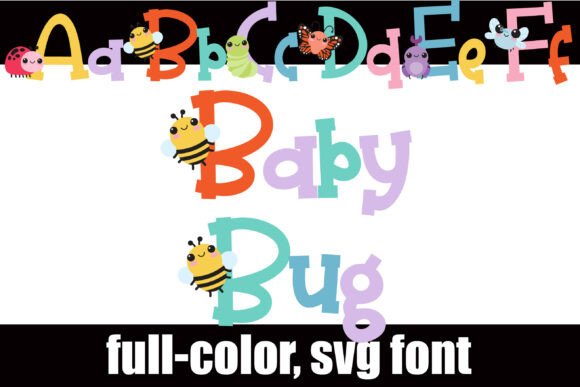
Imagine a typeface that doesn't just spell out words but brings them to life with charming, handcrafted detail. That's the immediate visual impact of Baby Bug, a full-color SVG font that transforms standard serif lettering into a playful parade of adorable insects. This isn't your typical typeface; it's a creative asset designed to inject personality and a unique visual hierarchy into your projects, making it a standout choice for designers seeking to break from the ordinary.
Understanding the Baby Bug Font System
Baby Bug operates as an OpenType full-color (SVG) font, a modern format that embeds vibrant color and intricate detail directly into each glyph. Installation is straightforward, treating it like any standard .otf file through FontBook on Mac or your preferred font manager on Windows. A key feature is its alternate color cases, accessible via your system's character map or design software's glyph panel, offering expanded creative control over your color palette and composition.
Important Compatibility Note: Full-color fonts will render as solid black in non-supporting programs. You may also see this black preview when initially selecting the font within compatible software. The true test is typing on your document canvas—if the color appears, your program supports SVG fonts. Leading applications like Adobe Illustrator, Photoshop, Silhouette Studio, Quark, and Inkscape currently offer robust support for this technology.
Practical Applications in Modern Design
The whimsical nature of Baby Bug makes it a powerful tool for specific visual communication goals. Its strength lies in projects where a friendly, approachable, and memorable tone is paramount. Consider its role in these contexts:
- Brand Identity & Logo Design: Ideal for brands targeting children, families, or the eco-friendly, handmade market. It can instantly establish a playful and trustworthy brand personality.
- Marketing & Social Media Graphics: Captures attention in crowded feeds. Use it for headlines in digital ads, Instagram stories, or promotional banners to boost engagement and shareability.
- Packaging & Editorial Design: Creates standout shelf appeal for products like kids' snacks, craft supplies, or artisanal goods. In magazines or blogs, it can highlight special sections or pull quotes with visual flair.
- Web & UI Design: When used sparingly for headlines or CTAs, it can add a unique touch to a website's user experience, guiding the user's eye with delightful typography.
Tips for Effective Implementation
Integrating a specialized font like Baby Bug requires thoughtful design strategy to maintain professionalism and clarity. Always prioritize your project's core message and audience expectations.
- Balance is Key: Pair Baby Bug with a clean, neutral sans-serif or serif font for body text. This creates a clear visual hierarchy, ensuring readability while allowing the decorative font to shine in headlines.
- Context Matters: Evaluate if its whimsical aesthetic aligns with your brand's voice and the project's goals. It may not suit a corporate financial report but could be perfect for a bakery's new menu.
- Test for Scalability: View your design at various sizes, especially for print design and merchandise. The detailed insects should remain clear and recognizable when scaled down for business cards or up for posters.
- Leverage Color: Use the alternate color glyphs to match your brand's color palette precisely, creating a cohesive and polished look across all creative projects.
Ultimately, the value of a creative asset like Baby Bug lies in its ability to solve a specific design challenge: the need for instant personality and emotional connection. In a landscape saturated with generic typography, choosing a unique, well-crafted font can significantly elevate your work. It demonstrates an understanding of visual trends and a commitment to creating memorable user experiences. Thoughtful selection and application of such tools are what separate good design from great, transforming ordinary communication into engaging visual storytelling that resonates with your audience and strengthens your overall design workflow.